
The 2025 growing season is likely one that David Armentrout (Manager) would like to forget. A combination of labor shortage and delays caused by weather and procurement saw crops planted much later than planned. The saving grace was that the lower shore seemed to get adequate rainfall through the growing season while Central and Western Maryland saw the rain essentially stop after June. In May, Marylee Ross received the Off Campus Professional Track Faculty Excellence Award at the AGNR State of the College and Awards Ceremony in recognition of her years of service in AGNR as a Field Research Director and the Northeast Region Field Coordinator with IR-4. We are proud to host the IR-4 program at LESREC and the recognition for the great work that Marylee has done over the years was well deserved. The LESREC group welcomed a new face when Nicholas Peterman (Ag. Tech.) started at Poplar Hill in July, bringing that facility back to being fully staffed. On the other hand, we all said goodbye to Sheila Oscar (Admin Assistant II) when she retired in September after 12 years with MAES.
Alan Leslie
MAES Center Director
WMREC | CMREC | LESREC
New Statewide Vegetable Production Specialist at UMD Extension
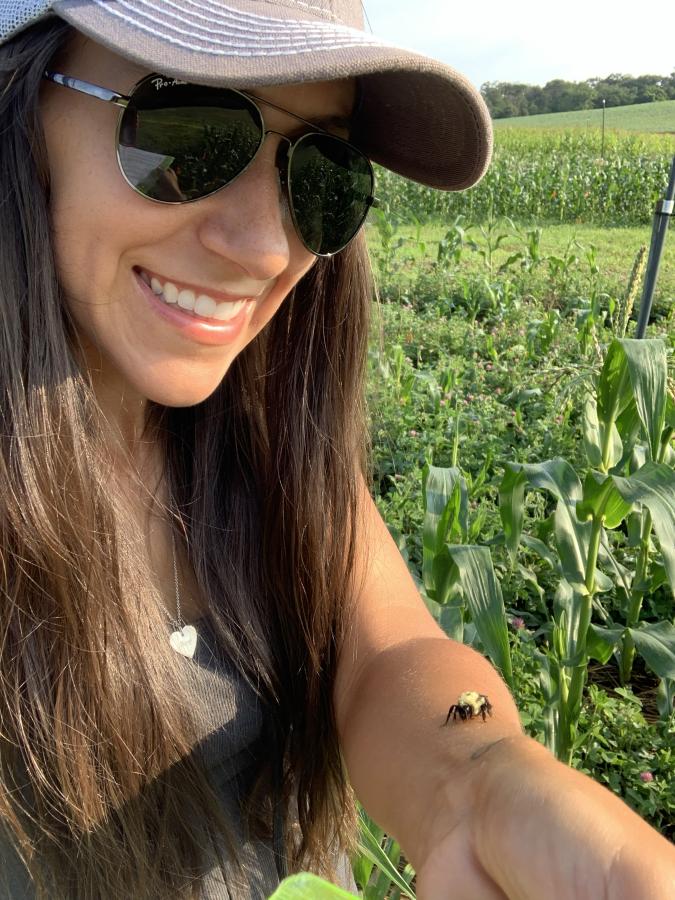
Dr. Veronica Yurchak recently wrapped up her first field season as University of Maryland Extension’s new Vegetable Production Specialist. Based at the Wye Research and Education Center in Queenstown, Dr. Yurchak leads a statewide program with research located at several UMD research farms. After earning her PhD in Entomology from UMD, she is focusing on advancing integrated pest
management (IPM) strategies while expanding her research into broader vegetable production methods.
Growers can look forward to her regular insect scouting tips and timely updates in UMD Extension’s Fruit and Vegetable News. Dr. Yurchak is available to assist with production challenges and crop diagnostics—don’t hesitate to reach out!
Email: vjohnso4@umd.edu
Phone: (443) 446-4266
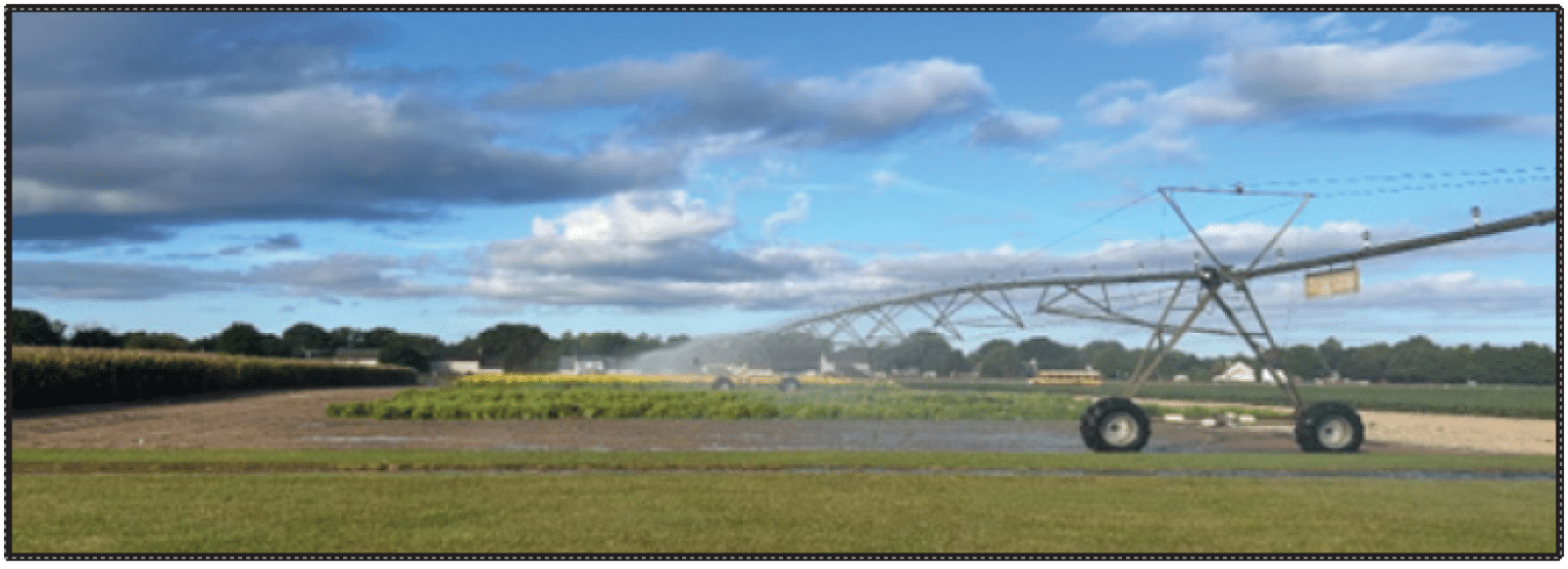
Findings from 2025 at UMD-LESREC
by David Armentrout, Facility Manager
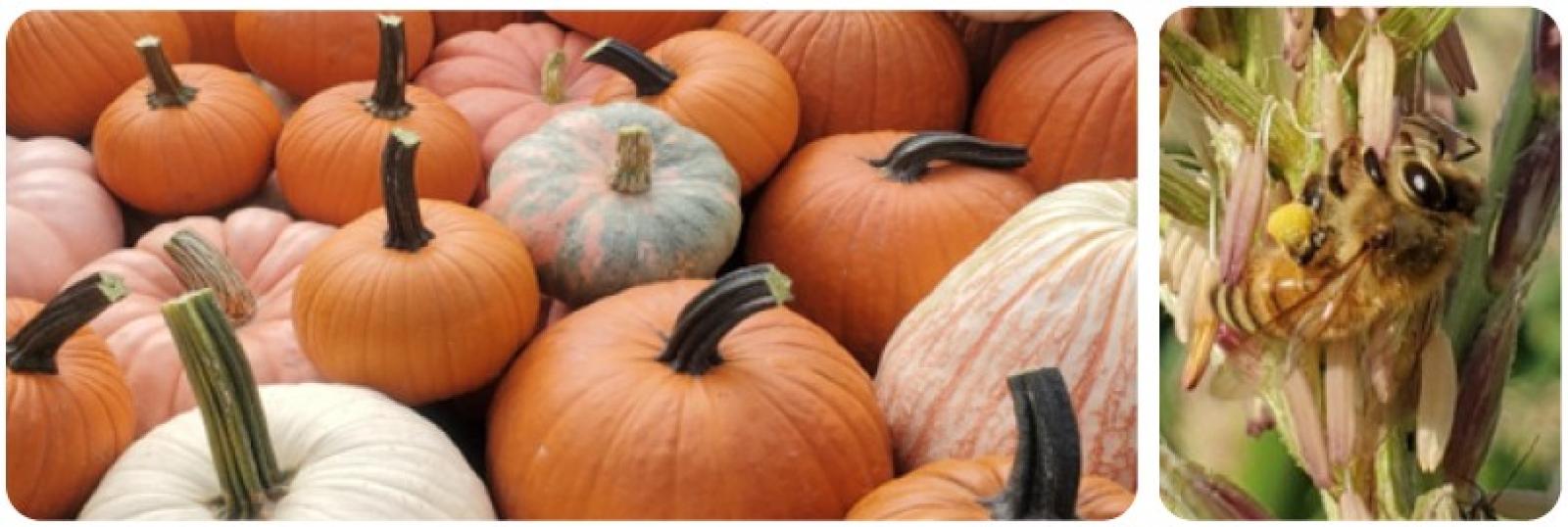
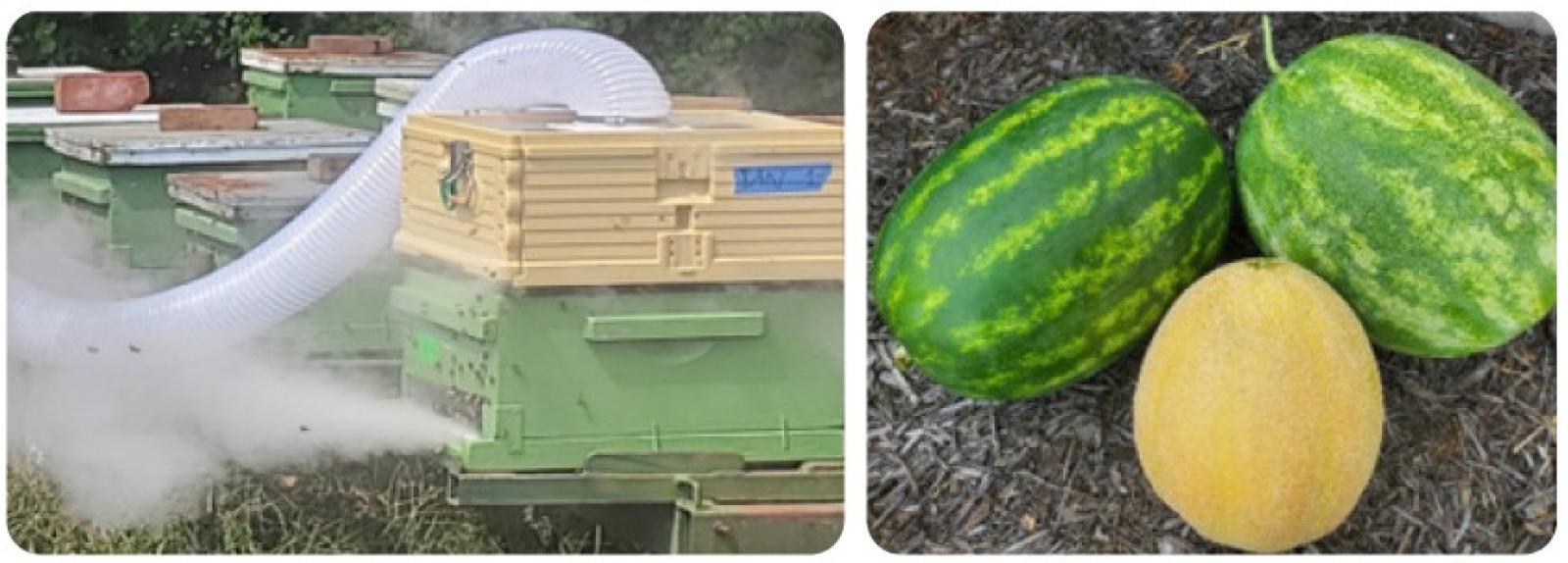
Annually, at the UMD Lower Eastern Shore Research and Education Center located in Salisbury, MD and in Quantico, MD I believe it is important to implement trials to better the practice of producing popularly grown crops of the region. In doing so, I as the Facility Manager, can increase my team’s knowledge and experience in successfully perfecting the cultural practices needed for crop production. In 2025, I again teamed up with Nutrien Ag Solutions to evaluate growth/yield in soybean as a result of seed treatment efficacy. In 2025, I also looked at demonstrating Pumpkins (‘Pumpkin and Gourd Variety Trial’), Sweetcorn (‘Corn Earworm control in Attribute II Sweetcorn Hybrids’) and Cantaloupe/Watermelon (‘Effects of Biodegradable Plastic Row Mulch Adhering to Harvestable Cantaloupe and Watermelon Fruits’). In addition, I continued working with Dr. Jeff Pettis looking at ‘Strategies and Evaluation of Honeybee Survival at LESREC’.
As in most years there were some challenges during the growing season of 2025. However, our demonstration trials performed well producing very respectful yields and useful data on sweetcorn, pumpkin, cantaloupe, and watermelon. Our Nutrien Ag Solution trial provided very needed soybean data for the region in 2025. Dr. Pettis’s honeybee evaluations and treatment applications went well in 2025 as well. The practical knowledge gained in implementing such demo-trials allows myself to better suit the needs of researchers in growing similar or related crops in future trials. In addition, such demo-trials are a bonus during Facility tours.

Update from IR-4 Field Research Center (LESREC)
Contributors: Marylee Ross & Megan James Hickman
2025 Trial Summary
In 2025, there were 9 Magnitude of Residue (MOR) trials placed at the University of Maryland’s LESREC in Salisbury, MD. There were 5 greenhouse trials and 4 field trials.
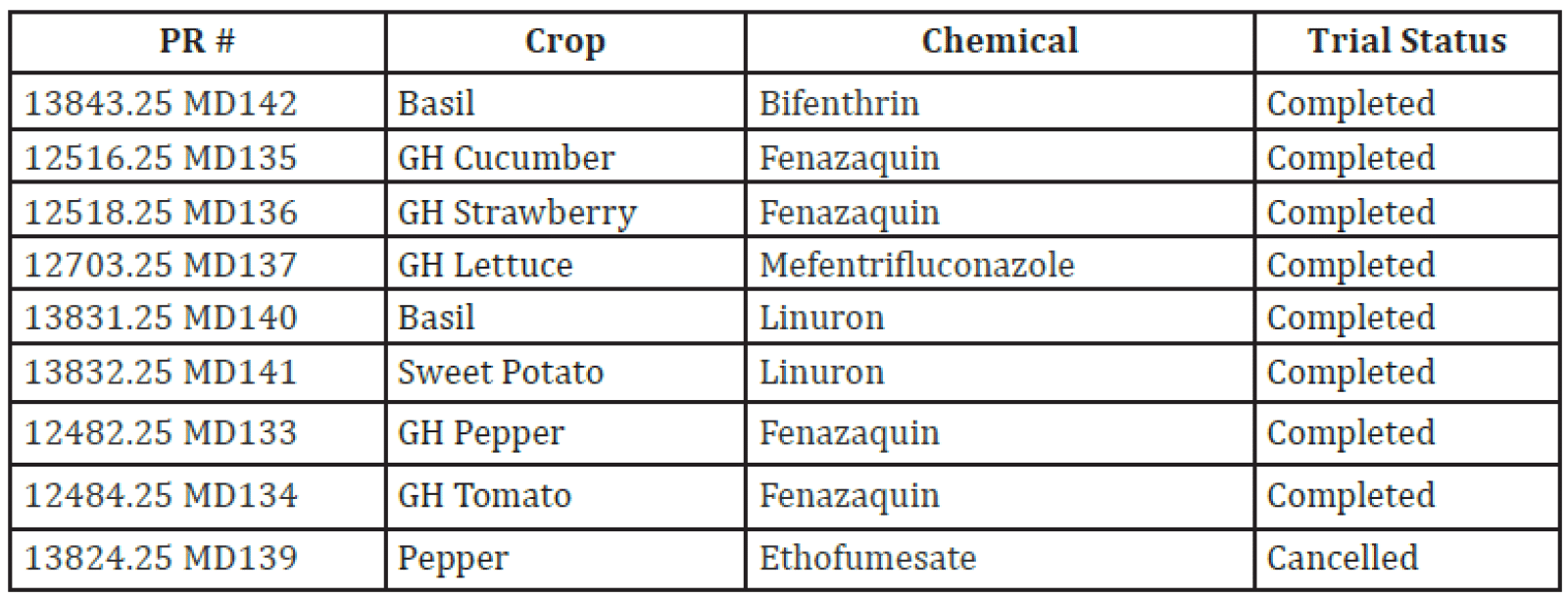
We had yet another successful year in the field and greenhouse. The greenhouse was full from March through December. The first two greenhouse trials were miticide trials on strawberries and cucumbers.
In spring, we seeded basil in the greenhouse to provide transplants for two separate basil trials. One insecticide (Bifenthrin) and one herbicide trial (Linuron). These trials required dried samples and this gave us the opportunity to utilize the plant dyer located at the Poplar Hill Facility. The dryer functioned perfectly as programmed and greatly expedited the drying process. We were also very impressed with the exhaust and ventilation installed as drying basil can be quite an aromatic process. We greatly appreciated the hospitality offered to us at Poplar Hill and we hope to utilize this equipment again in the future.
Unfortunately, one field trial was cancelled (Ethofumesate/Pepper) due to the registrant’s decision to no longer pursue the proposed use.