Research
Methicillin-resistant Staphylococcus aureus (MRSA) represents a significant One-Health challenge, capable of spreading between and infecting both animals and humans. Our lab's research is focuses on understanding the physiology of MRSA to reveal potential targets for new drug development.
We are also exploring TMcin, a newly discovered pore-forming antimicrobial peptide (AMP) class that is active against MRSA and other Gram-positive pathogens. TMcin is unique among AMPs: it possesses a transmembrane-helix along with a two-stranded beta-sheet that allows it to reach target bacteria and form a large, oligomeric pore. The beta-sheets of oligomeric TMcins form a beta-barrel that spans the membrane and the transmembrane helices surround the barrel to anchor the pores in the cell membrane.
Antimicrobial Peptide Biosynthesis
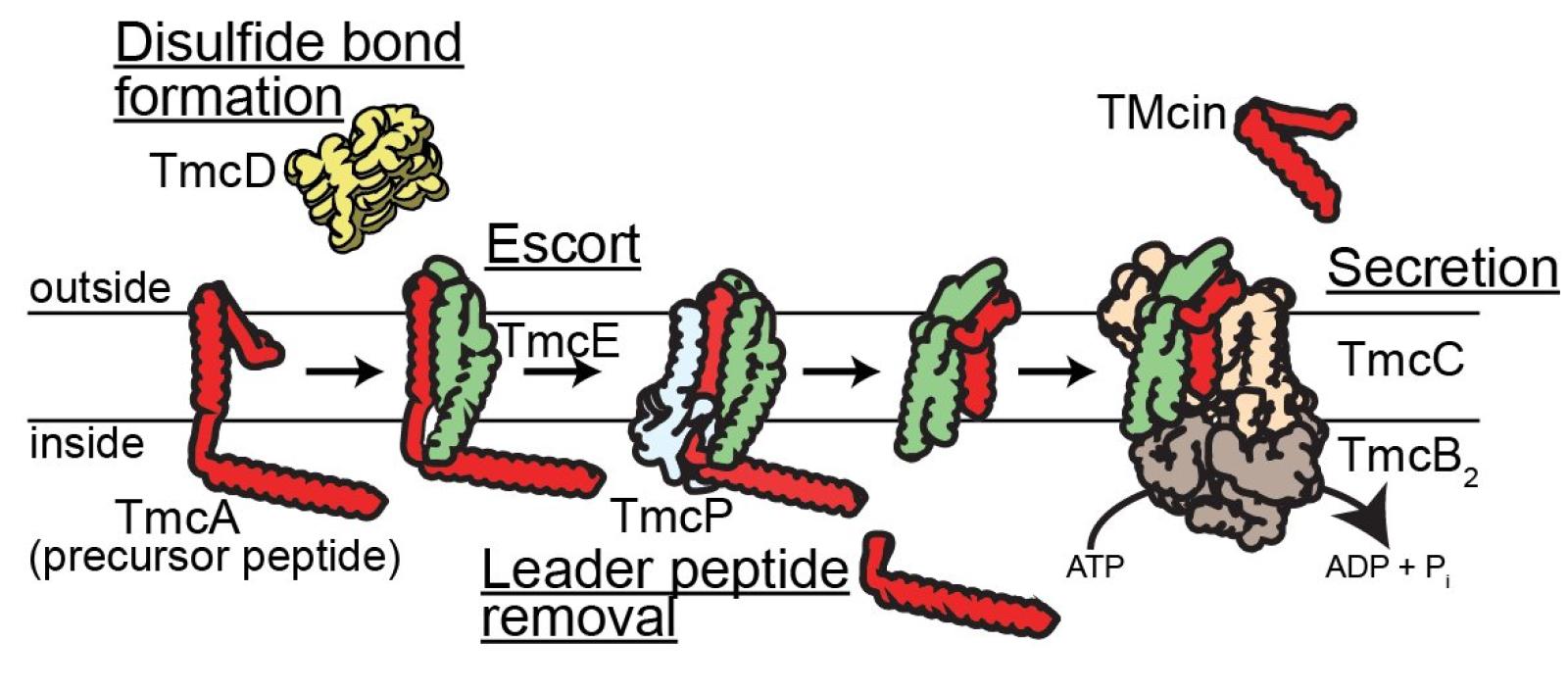
TMcin is unusual in that it has a transmembrane helix in the secreted product. Using the native-producing S. aureus strain G1905 as a model for TMcin biosynthesis, we showed that it is processed from an integral membrane protein. We then set up a inducible TMcin biosynthesis system to characterize how TMcin is modified within the membrane before secretion.
Antimicrobial Peptide Mechanism
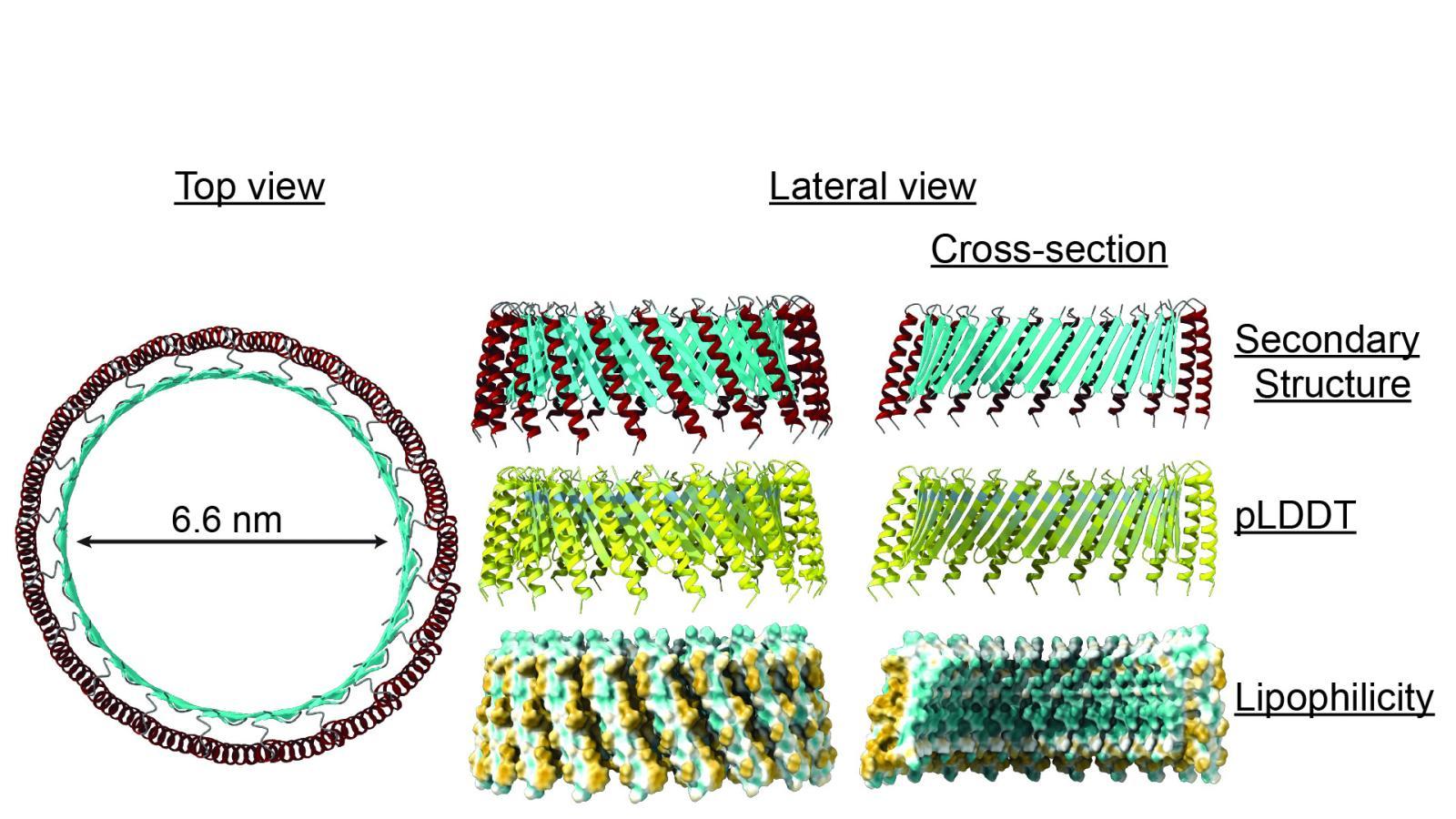
TMcin kills Gram-positive bacteria by forming large oligomeric pores in bacterial cell membranes. To better take advantage of these pores we're studying how this process works.
MRSA Pathway Analyses
Although S. aureus and MRSA have been studied for decades and major resources such as the NTML transposon library and the Lisbon CRISPRi mutant library have greatly advanced our understanding of gene function, many S. aureus genes and the proteins they code for are poorly characterized. In addition, it is unclear how the numerous cellular pathways are integrated throughout the bacterial life cycle and how these allow for adaptations to new environments. To address these gaps, we are developing new tools to study S. aureus gene function that can implicate understudied genes and proteins in major cellular pathways and map the connections across pathways.
People
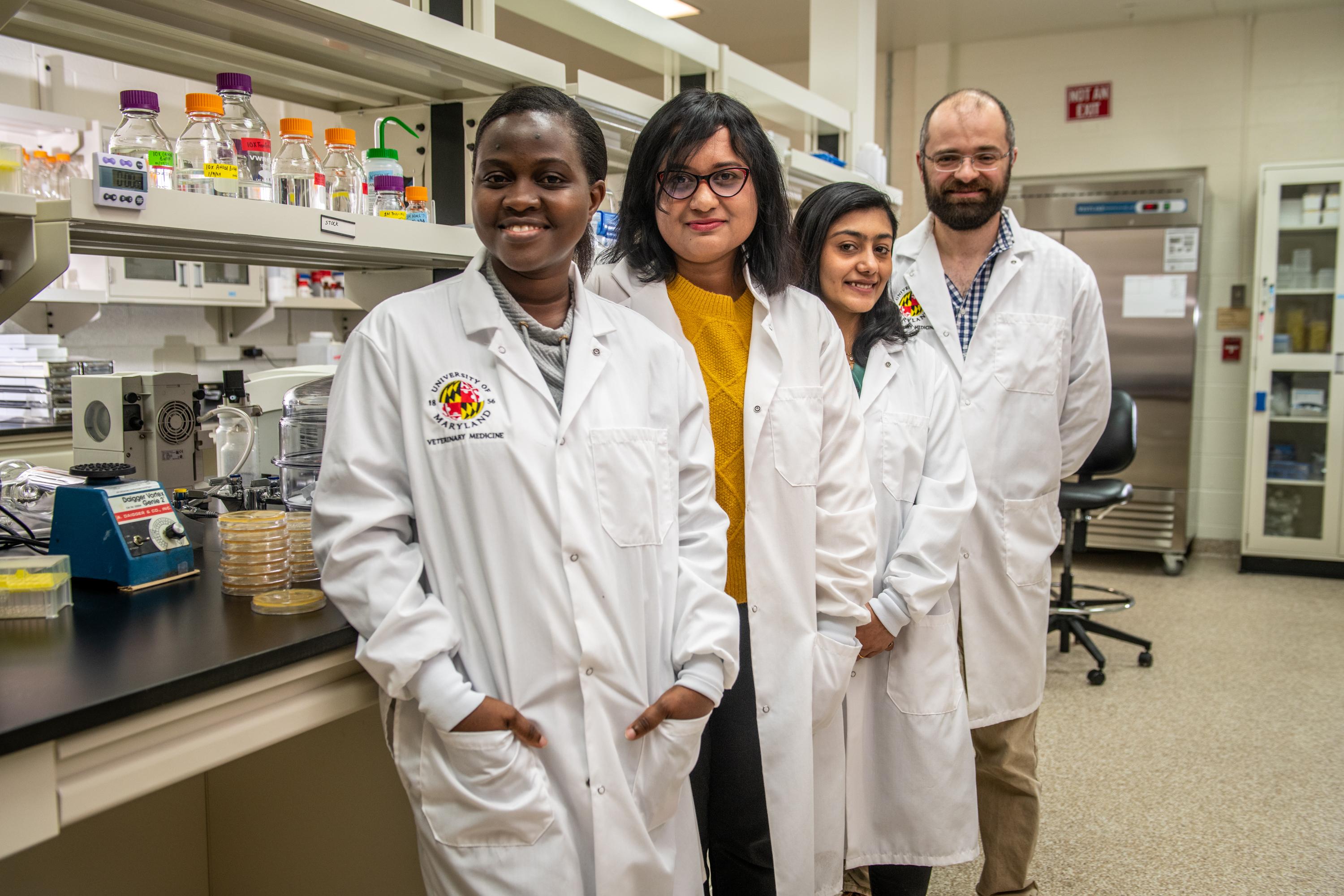
Sumana Bhowmick - Assistant Research Scientist
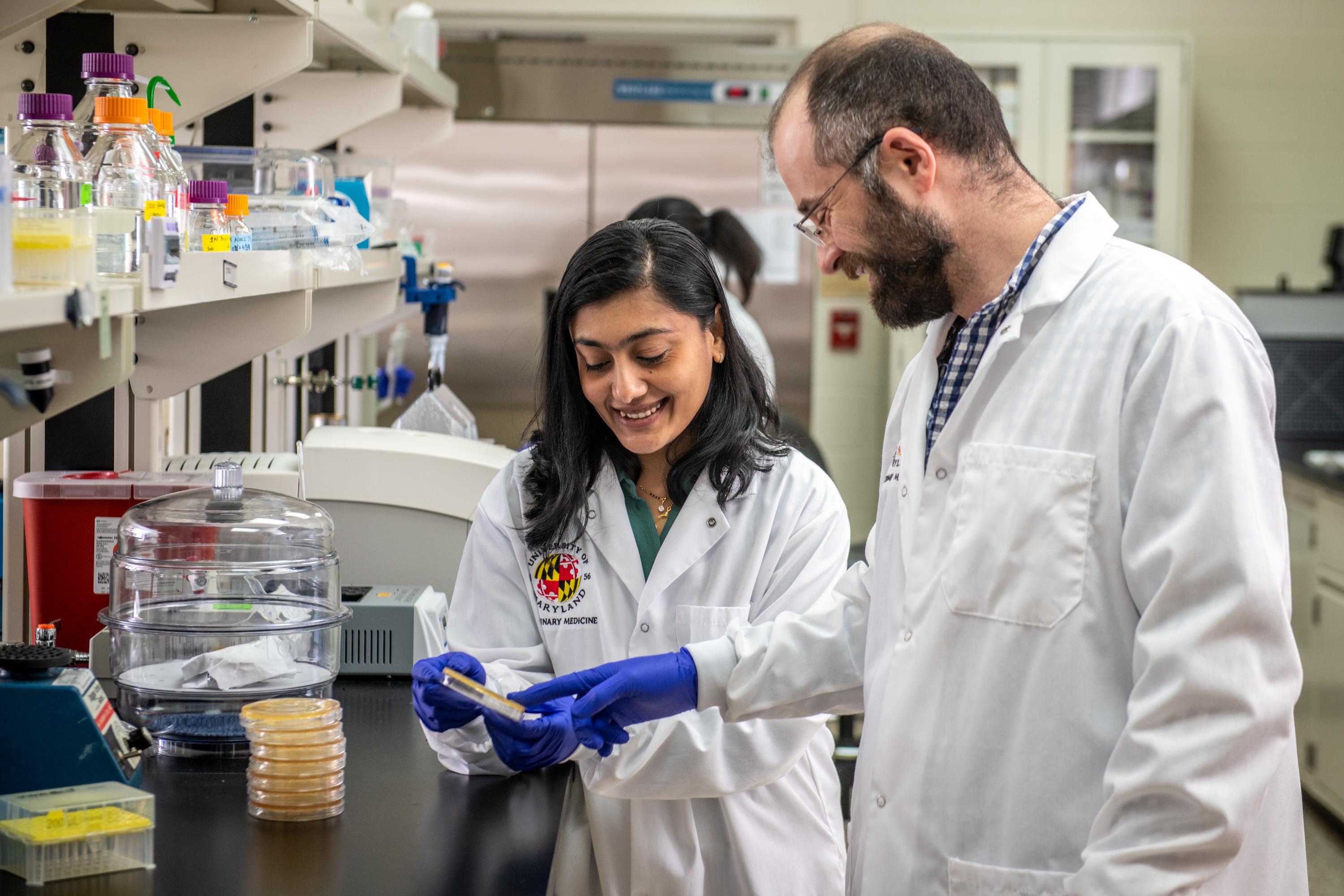
Sumana Bhowmick is a postdoctoral fellow and is working to develop new genetic approaches to uncover MRSA physiology and virulence pathways.
Ama Antwi - MOCB
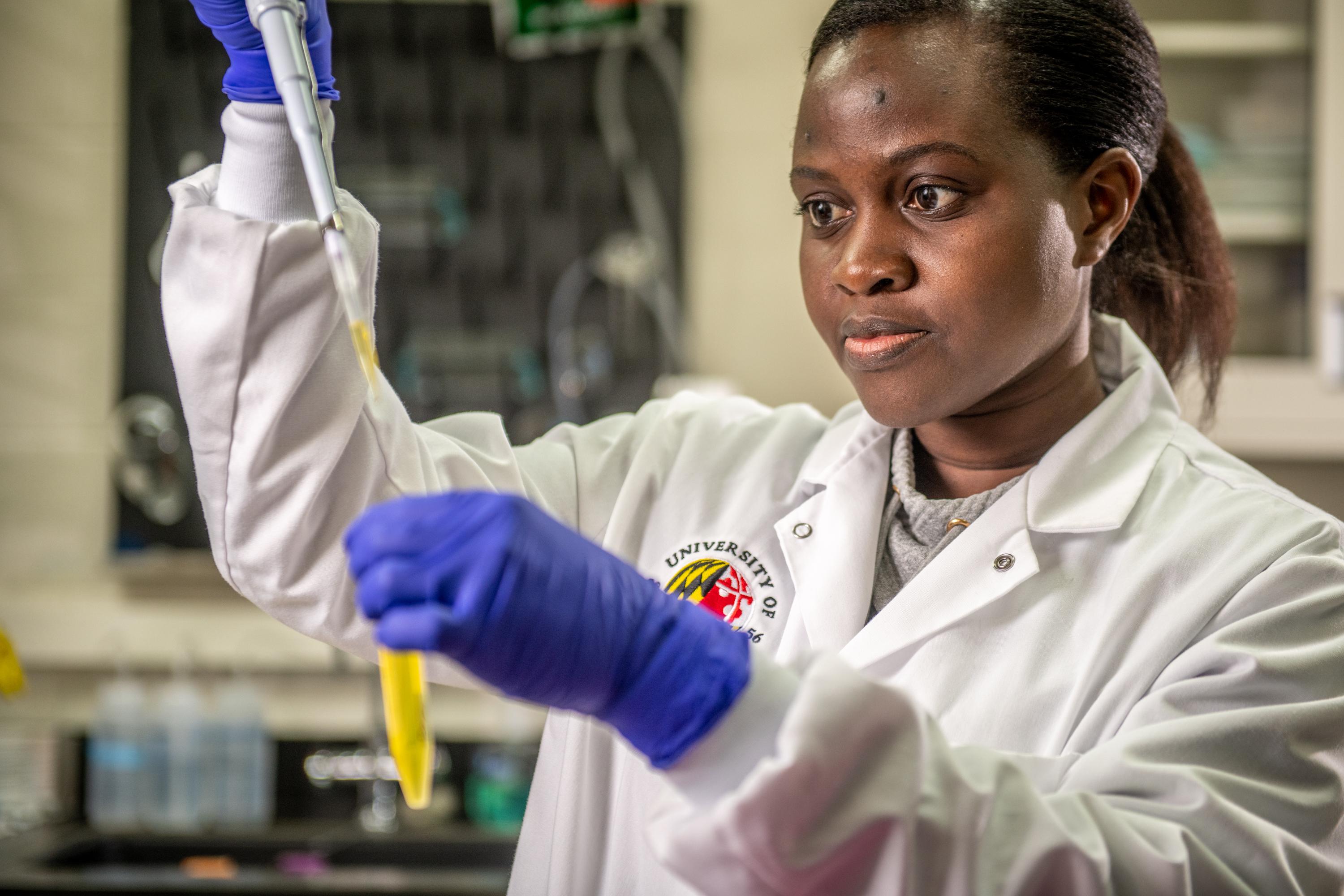
Ama is a graduate student using biochemical and biophysical approaches to understand how TMcin forms pores.
Fauzia Nur - CBSC
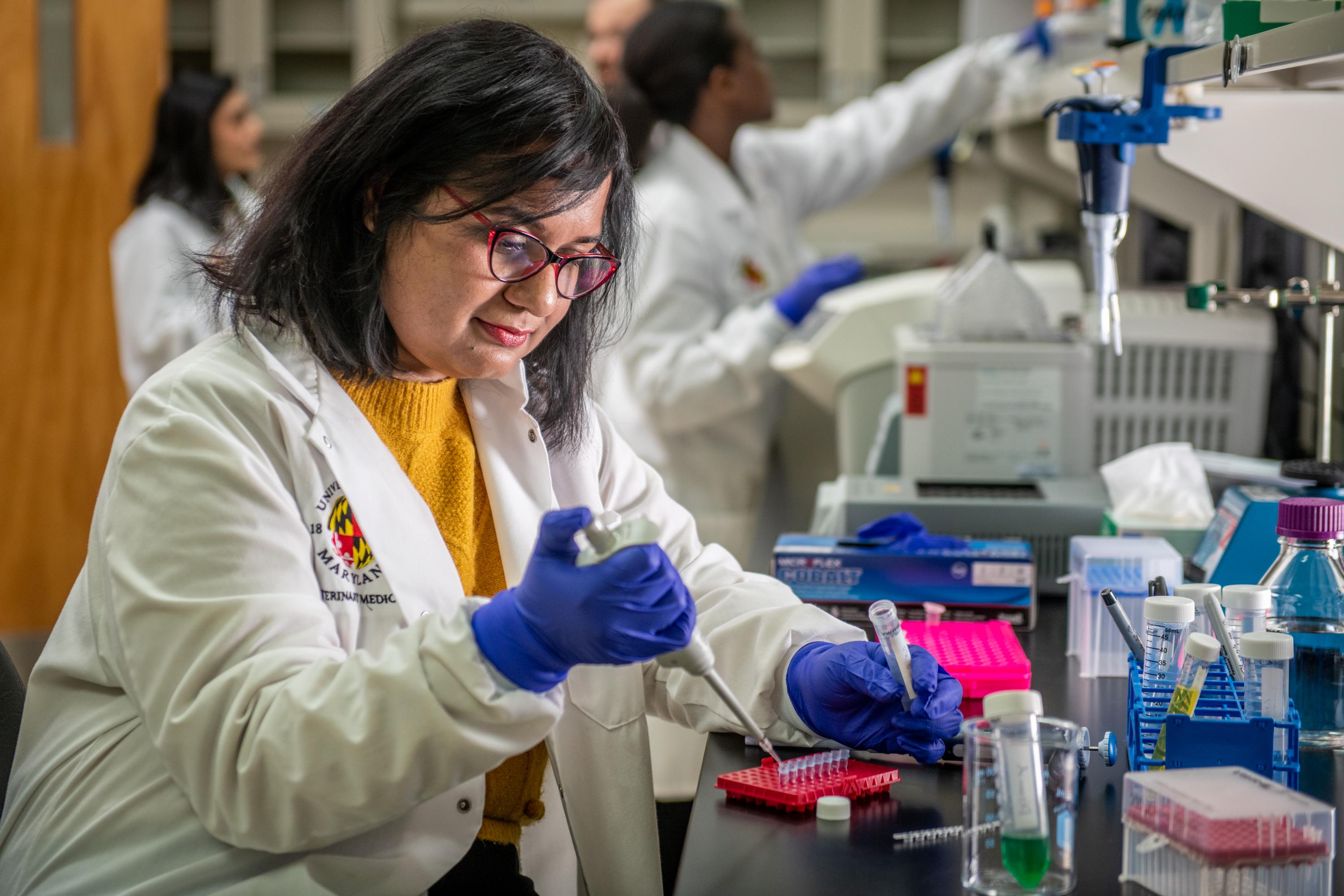
Fauzia is graduate student who is interested in understanding how TMcins are produced.
News
New preprint
June 2, 2026
We posted a preprint on how a bacteriocin can be produced from a membrane protein. Credit to Fauzia for leading this project. This is her first first-author manuscript! Check it out below.
Ann G. Wylie Dissertation Fellowship
March 9, 2026
Congratulations to Fauzia Nur for being awarded the Ann G. Wylie Dissertation Fellowship! Well deserved!
Research highlight
November 9, 2025
The American Peptide Society highlighted our recent research in Nature Communications.
https://americanpeptidesociety.org/aps-news/peptide-portals/
New publication
August 6, 2025
Our story on a new antimicrobial peptide class is now available online! Thanks to all co-authors for a wonderful collaborative effort.
PhD Candidacy
July 2, 2025
Congratulations to Fauzia for successfully completing her qualifying exams and advancing to candidacy.
PhD Candidacy
March 4, 2025
Congratulations to Ama who advanced to the status of Doctoral Candidate after successfully passing her qualifying exam!
New grant
June 7, 2024
We received our first NIH grant! An R21 to study the biosynthetic mechanisms for a new class of AMPs constructed at the cell membrane supported by the National Institute Of Allergy And Infectious Diseases.
New grant
December 18, 2023
Thank you AGNR for awarding a MAES research grant to our lab for the project, “Mechanistic analysis of a novel antimicrobial pore-forming peptide” . We hope to use this seed money to obtain external support for continuing our research!
Selected Publications
TMcin RiPP biosynthesis in the cellular membrane
Seth W. Dickey, Dylan J. Burgin, Ama N. Antwi, Amer Villaruz, Madeline R. Galac, Gordon Y.C. Cheung, Tatiana K. Rostovtseva, Liam J. Worrall, Aleksander C. Lazarski, Elio A. Cino, D. Peter Tieleman, Sergey M. Bezrukov, Natalie C.J. Strynadka, and Michael Otto. Antimicrobial peptide class that forms discrete β-barrel stable pores anchored by transmembrane helices. Nat Commun. 2025 Aug 6;16(1):7231. doi: 10.1038/s41467-025-62604-1. PMID: 40769975; PMCID: PMC12328743.
Seth W. Dickey, Dylan J. Burgin, Steven Huang, David Maguire, and Michael Otto. Two transporters cooperate to secrete amphipathic peptides from the cytoplasmic and membranous milieus. Proceedings of the National Academy of Sciences of the United States of America. 2023 Feb 21;120(8):e2211689120. doi: 10.1073/pnas.2211689120. Epub 2023 Feb 14. PMID: 36787359; PMCID: PMC9974410.
Natalie Zeytuni*, Seth W. Dickey*, Jinhong Hu, H.T. Chou, Liam J. Worrall, J. Andrew N. Alexander, Michael L. Carlson, Michael Nosella, Franck Duong, Z. Yu, Michael Otto, and Natalie C. J. Strynadka, Structural insight into the Staphylococcus aureus ATP-driven exporter of virulent peptide toxins. Sci Adv. 2020;6(40). doi: 10.1126/sciadv.abb8219. PubMed PMID: 32998902; PMCID: PMC7527219. *Authors contributed equally
- Seth W. Dickey, Gordon Y. C. Cheung, and Michael Otto, (2017). Different drugs for bad bugs: antivirulence strategies in the age of antibiotic resistance. Nature Reviews Drug Discovery, 16(7):457-471. doi: 10.1038/nrd.2017.23. PubMed PMID: 28337021.
Complete bibliography:
