Back to Directory
Professor
Environmental Science & Technology
1429 Animal Science/Agricultural Engineering Building
College Park, Maryland 20742

Dr. Stephanie Lansing leads the Bioenergy and Biotechnology Lab at the nexus of renewable energy, water quality, waste treatment, and human health. She is committed to understanding the ecological, engineering, and social systems that influence these intertwined areas. Dr. Lansing serves as a Vice Chair of the Maryland Food System Resiliency Council. Her research focuses on strengthening the biocircular economy, anaerobic digestion, bioplastic formation from waste, microbial fuel cells, and nutrient management. She has 20 years of experience in renewable energy research, extension education, and conducting sustainability life cycle assessments of waste to energy systems. Her work in bioenergy spans from large to small-scale anaerobic digestion in the US, Africa, and Latin America.
Research Areas
Food Waste
Dr. Lansing is leading two new grants totaling >$6 million from the U.S. Department of Energy (DOE) to develop sustainable products, such as biofuels and bioplastics from food waste. These grants are aimed at understanding the waste sources we have, particularly the quantities of food waste, and determining what opportunities exist for us to create renewable resources and energy from that waste. One grant is focused on the production of bioplastics from food waste, while the other is focused on characterizing the municipal solid waste stream to create biofuels that can replace liquid fuels like aviation fuel.
Video explaining the process of converting landfill waste into energy. Dr. Lansing and her lab team are scouring landfills and capturing energy from food waste using a unique thermochemical process. Working alongside other universities and local municipalities, their research could revolutionize local waste management and energy resources.
Anaerobic Digestion
Anaerobic digestion is a technology that transforms waste into renewable energy while reducing greenhouse gas emissions. During anaerobic digestion, biogas is produced from a natural consortium of microbes that break down biodegradable material inside a sealed, oxygen-free reactor. Anaerobic digesters can use a wide range of waste, such as food scraps, manure, crop waste, or sewage sludge.
Topics include:
- Bioenergy and waste treatment to reduce odors, greenhouse gas emissions, and create beneficial fertilizers
- Waste to Energy Research: Anaerobic digestion, microbial fuel cells, gasification, and solid-oxide fuel cells
- Small-scale digesters for the US and developing countries
- High temperature and high pressure anaerobic digestion
- Effects of nanoparticles on anaerobic digestion and post-digestion utilization
- Life cycle assessments (LCA) and greenhouse gas accounting of waste to energy and waste diversion
Additional Resources:
Find below example fact sheets, but for more information see the Anaerobic Digestion Overview page.
Research Fact Sheet: Waste to Energy
Anaerobic Digestion Fact SheetAnaerobic Digestion: Basic Processes for Biogas Fact Sheet
Dr. Stephanie Lansing explains how anaerobic digestion works while visiting the Maryland Bioenergy Center in Jessup, Maryland.
NourishNet - Food Recovery Toolbox

In the US, 34 million people are food insecure. Yet a third of the food produced in the US is wasted. Our integrated team, NourishNet, funded by that National Science Foundation, offers a cutting-edge toolbox that enhances food security and reduces food waste by putting healthy food in the hands of the food insecure. Our tools include the complete integration of a real-time software app, named FoodLoops, to optimize surplus food distribution with an electronic sensor, named Quantum Nose, to detect early-stage food spoilage. The FoodLoops platform incorporates consumer education, connects small farmers within the food ecosystem, and provides greenhouse gas emission data to allow for data-driven decision-making on food system resiliency. The collaborative NourishNet team includes University of Maryland researchers and entrepreneurs, Prince George’s County Food Equity Council, ChowMatch, LindaBen Foundation, SCS Engineers, and Well Said Media.
Our tools will strengthen food system resiliency by promoting equitable donations and redistribution of nutritious surplus food. Our real-time data collection and modeling will empower government agencies and institutions to strategically invest in waste prevention, food diversion, anaerobic digestion, composting, and climate-smart infrastructure for local food markets. The nationwide deployment of FoodLoops and Quantum Nose will increase equity, connect key food system stakeholders, empower underserved populations, create new educational resources, and allow for real-time forecasting and data-driven decision-making.
Dr. Lansing explains how NourishNet is counteracting the issue of food insecurity. NourishNet, funded by that National Science Foundation, offers a cutting-edge toolbox that enhances food security and reduces food waste by putting healthy food in the hands of the food insecure
Video explaining how to understand food date labels.
Comprender las etiquetas de fecha de los alimentos (en español)
Food Energy Water Nexus
Food, water, and energy systems are intimately connected. Water and nutrients are needed to grow crops and feed animals. Agricultural runoff can degrade water quality and increase eutrophication, while energy is integral to both agricultural production and water treatment. The connection between these systems is known as the Food-Energy-Water (FEW) Nexus.
Topics include:
- Recovering nutrients from waste using post-nutrient extraction after anaerobic digestion
- Nutrient recovery from Chesapeake Bay using algal turf scrubber (ATS) with anaerobic digestion of algae feedstocks to drive a fuel cell at the Port of Baltimore
- Food waste, dairy and poultry manure digestion in Maryland, as well as sanitary waste digestion in Haiti
Additional Resources:
VOA News: Algal Turf Scrubbers
Food Energy Water Nexus Research featured on the Big Ten Network
How Maryland is cleaning up the Chesapeake Bay: With a specially-built algae growth system, UMD researchers are scrubbing excess nutrients from Chesapeake Bay waters, a process that will help restore oxygen levels in the troubled coastal ecosystem. The algae, in turn, can be used to produce methane, a renewable resource for green energy.
Antimicrobial Resistance
Antimicrobial resistance is of increasing concern, with antibiotics use in agriculture and public health settings leading to an increase in bacterial resistance in the environment.
Topics Include:
- Antimicrobial resistance, persistence and treatment in dairy and beef manure waste management processing and the wastewater industry
Additional Resources:
Video explaining how farmers, veterinarians, farm workers, and lab technicians are working to ensure food safety through responsible antibiotic use.
Video explaining how farmers, farm workers, and veterinarians are working hard to make sure that dairy cows stay happy and healthy to produce the safest food and to address growing antibiotic resistance.
Video explaining how farmers, veterinarians, farm workers, and technical experts like animal housing engineers and ruminant nutritionists work together to ensure cows stay healthy (and don't need antibiotics).
Publications
Find the full list of publications on Google Scholar.
- Poindexter, C., Yarberry, A. Georgakakos, C., Rice, C., Lansing, S*, 2024. Antibiotic resistance partitioning during on-farm manure separation and high temperature rotary drum composting. Journal of Environmental Sciences. https://doi.org/10.1016/jes.2024.06.043.
- Zhang, X., Wang, J., Zhang, Y., Qing, W., Lansing, S., Shi, J., Zhang, W., Wang, Z.W., 2024. Anhydrous volatile fatty acid extraction through omniphobic membranes by hydrophobic deep eutectic solvents: Mechanistic understanding and future perspectives. Water Research 256, 121654. https://doi.org/10.1016/j.waters.2024.121654.
- Proano, C.A., Liu, R., Xu, X., Meisler, S. Hassanein, A., Lansing, S., Tian, K., Li, G., 2024. Impacts of free nitrous acid on stabilizing food waste and sewage sludge for anaerobic digestion. Bioresource Technology 402, 130819. https://doi.org/10.1016/j.biteb.2024.130819.
- Poindexter, C., Yarberry, A., Rice, C*., Lansing, S., 2022. Quantifying antibiotic distribution in solid and liquid manure using a two-step, multi-residue antibiotic extraction. Antibiotics 11 (12): 10.3390. https://doi.org/10.3390/antibiotics1121735.
- Hassanein, A., Moss, A., Cloyd, N. Lansing, S*., 2022. Evaluation and life cycle assessment of a poultry litter anaerobic digester with nutrient capture. Bioresource Technology Reports 19, 101186. https://doi.org/10.1016/j.biteb.2022.101186.
- Holl, E., Steinbrenner, J., Merkle, W., Krumpel, J., Lansing, S., Baier, U., Oechsner, H., Lemmer, A*., 2022. Two-state anaerobic digestion: State of technology and perspective roles in future energy systems. Bioresource Technology 360: 127633. https://doi.org/10.1016/j.biotech.2022.127633.
- Nachod, B., Keller, E., Hassanein, A., Lansing, S*., 2021. Assessment of petroleum-based plastic and bioplastics degradation using anaerobic digestion. Sustainability 13(23): 13295. https://doi.org/10.3390/su132313295.
- Hassanein, A., Kumar, A.N., Lansing, S*., 2021. Impact of electro-conductive nanoparticle additives on anaerobic digestion performance – A Review. Bioresource Technology 432, 126023. https://doi.org/10.1016/j.biortech.2021.126023.
- Schueler, J., Lansing, S*., Crossette, E., Naas, K., Hurst, J., Raskin, L., Wigginton, K., Aga, D.S., 2021. Tetracycline, sulfadimethoxine, and antibiotic resistance gene dynamics during anaerobic digestion of dairy manure. Journal of Environmental Quality 50(3): 694-705. https://doi.org/10.1002/jeq2.20211
- Schueler, J., Naas, K., Hurst, J., Aga, D.D., Lansing, S*., 2021. Effects of on-farm dairy manure composting on tetracycline content and nutrient composition. Journal of Antibiotics 10 (4): 443. https://doi.org/10.3390/antibiotics10040443
- Wind, L*., Briganti, J.S., Brown, A.M., Neher, T.P., Davis, M.F., Durso, L.M., Spicer, T., Lansing, S*., 2021. Finding what is inaccessible: Antimicrobial resistance language use among the One Health domains. Journal of Antibiotics 10 (4): 385. https://doi.org/10.3390/antibiotics10040385
- Hassanein, A., Keller, E., Lansing, S*., 2021. Effect of metal nanoparticles in anaerobic digestion production and plant uptake from effluent fertilizer. Bioresource Technology. https://doi.org/10.1016/j.biortech.2020.124455
- Choudhury, A., Lansing, S*., 2021. Absorption of hydrogen sulfide in biogas using a novel iron-impregnated biochar scrubbing system. J. Environmental Chemical Engineering. https://doi.org/10.1016/j.jece.2020.104837
- Witarsa, F., Lupitskyy, R., Moss, A., Kulow, A., Lansing, S*., 2020. Ammonia capture with biogas purification from anaerobically digested poultry litter. Journal of Chemical Technology and Biotechnology. https://doi.org/10.1002/jctb.6557
- Choudhury, A., Felton, G., Moyle, J., Lansing, S*., 2020. Fluidized bed combustion of poultry litter at farm-scale: Environmental impacts using a life cycle approach. Journal of Cleaner Production 276, 124231/. https://doi.org/10.1016/j.clepro.2020.124231.
- Choudhury, A., Lansing, S*., 2020. Biochar addition with Fe-impregnation to reduce H2S production from anaerobic digestion. Bioresource Technology 306: 123121. https://doi.org/10.1016/j.biotechn.2020.123121.
- Hassanein, A*., Witarsa, F., Lansing, S*., Qiu, L. Yong, L., 2020. Bio-electrochemical enhancement of hydrogen and methane production in a combined anaerobic digester (AD) and microbial electrolysis cell (MEC) from dairy manure. Sustainability 12, 8491: https://doi.org/10.3390/su12208491.
- Achi, C.G., Hassanein, A., Lansing, S*., 2020. Enhanced biogas production of cassava wastewater using zeolite and biochar additives and manure co-digestion. Energies 13(2), 491. https://doi.org/10.3390/en13020491.
- Witarsa, F., Yarberry, A., May, P., Kangas, P., Lansing, S*., 2020. Complementing energy production with nutrient management: Anaerobic digestion system for algal turf scrubber biomass. Ecological Engineering 143, 105618. https://doi.org/10.1016/j.ecoleng.2019.105618.
- Oliver, J., Gooch, C*., Lansing, S., Schueler, J., Hurst, J., Sassoubre, L., Crossette, E., Aga, D., 2020. Invited Review: Fate of antibiotic residues, antibiotic-resistant bacteria, and antibiotic resistance genes in US dairy manure management systems. Journal of Dairy Science 103:1051-1071. https://doi.org/10.3168/jds.2019-16778.
- Huertas, J.K., Quipuzco, L., Hassanein, A., Lansing, S*., 2020. Comparing hydrogen sulfide removal efficiency in a field-scale digester using microaeration and iron filters. Energies 13, 4793. https://doi.org/10.3390/en13184793.
- Paul, M., Dangol, S., Kholodovsky, V., Sapkota, A., Negahban-Azar, M., Lansing, S*., 2020. Modeling the impacts of climate change on crop yield and irrigation in the Monocacy River Watershed, USA. Climate. 8(12), 139. https://doi.org/10.3390/cli8120139
- Hassanein, A., Lansing, S*., Tikekar, R., 2019. Impact of metal nanoparticles on biogas production from poultry litter. Bioresource Technology 275: 200-206. https://doi.org/10.1016/j.biortech.2018.12.048.
- Hurst, J.J., Oliver, J., Schueler, J., Gooch, C.A., Lansing, S., Crossette, E., Wiggington, K.R., Raskin, L., Aga, D.S*., Sassoubre, L.M., 2019. Trends in antimicrobial resistance genes in manure blend pits and long-term storage across dairy farms with comparisons to antimicrobial usage and residual concentrations. Environmental Science & Technology 53(5): 2405-2415. https://doi.org/10.1021/acs.est.8b05702.
- Lansing, S*., Hülsemann, B., Choudhury, A., Schueler, J., Lisboa, M.S., Oechsner, H., 2019. Food waste co-digestion in Germany and the United States: From lab to full-scale systems. Resources, Conservation & Recycling 148: 104-113. https://doi.org/10.1016/j.resconrec.2019.05.014.
- Yarberry, A., Lansing, S*., Luckarift, H., Dlitz, R., Mulbry, W., Yarwood, S., 2019. Effect of anaerobic digestion inoculum preservation via lyophilization on methane recovery. Waste Management 87: 62-70. https://doi.org/10.1016/j.wasman.2019.01.03.
- Choudhury, A., Lansing, S*., 2019. Methane and hydrogen sulfide production from codigestion of gummy waste with a food waste, grease waste, and dairy manure mixture. Energies 12 (23), 4464. https://doi.org/10.3390/en12234464.
- Shelford, T.J., Gooch, C.A*., Lansing, S., 2019. Performance and economic results for two full-scale biotrickling filters to remove H2S from dairy anaerobic digestion biogas. Applied Engineering in Agriculture 35(3): 283-291. https://doi.org/10.13031/aea.12939.
- Choudhury, A., Shelford, T., Felton, G., Gooch, C., Lansing, S*., 2019. Evaluation of hydrogen sulfide scrubbing systems for anaerobic digesters on two dairy farms. Energies 12 (24), 4605. https://doi.org/10.3390/en12244605.
- Oliver, J.P., Schueler, J.E., Gooch, C.A., Lansing, S., Aga, D*., 2018. Performance quantification of manure management systems at 11 Northeastern US dairy farms. Applied Engineering in Agriculture 34(6): 973-1000. https://doi.org/10.13031/aea.12863.
- Arikan, O*., Mulbry, W., Rice, C., Lansing, S., 2018. The fate and effect of monensin during anaerobic digestion of dairy manure under mesophilic conditions. PLoS One 13(2): e0192080. https://doi.org/10.1371/journal.pone.0192080.
- Arikan, O*., Mulbry, W., Rice, C., Lansing, S., 2018. Anaerobic digestion reduces veterinary ionophore lasalocid in dairy manure. Desalination and Water Treatment. Desalination and Water Treatment 108: 183-188. https://doi.org/10.5004/dwt.2018.22040.
- Hassanein, A., Witarsa, F., Guo, X., Yong, L., Lansing, S., Qiu, L*., 2017. Next generation digestion: Complementing anaerobic digestion (AD) with a novel microbial electrolysis cell (MEC) design. Intl. J. Hydrogen Energy 42: 28681-28689. https://doi.org/10.1016/j.ijhydene.2017.10.003.
- Lansing, S*., Maile-Moskowitz, A., Eaton, A., 2017. Waste treatment and energy production from small-scale wastewater digesters. Bioresource Technology 245(A): 801-809. https://doi.org/10.1016/j.biortech.2017.08.215.
- Mulbry, W*., Lansing, S., Selmer, K., 2017. Effect of liquid surface area on hydrogen sulfide oxidation during micro-aeration in dairy manure digesters. PLoS One 12(10): e0185738. https://doi.org/10.1371/journal.pone.0185738.
- Lansing, S*., Bowen, H., Gregoire, K., Klavon, K., Moss, A., Eaton, A., Lai, Y., Iwata, K., 2016. Methane production for sanitation improvement in Haiti. Biomass and Bioenergy 91: 288-295. https://doi.org/10.1016/j.biombioe.2016.05.032.
- Witarsa, F., Lansing, S*., Yarwood, S, Mateu, M.G., 2016. Incubation of innovative methanogenic communities to seed anaerobic digesters. Applied Microbiology and Biotechnology 100(22): 9795-9806. https://doi.org/10.1007/s00253-016-7875-z.
- Belle, A, Lansing, S*., Mulbry, W., Weil, R.R., 2015. Anaerobic co-digestion of forage radish and dairy manure in complete mix digesters. Bioresource Technology 178: 230237. https://doi.org/10.1016/j.biortech.2014.09.036.
- Arikan, O*., Mulbry, W., Lansing, S., 2015. Effect of temperature on methane production from field-scale anaerobic digesters treating dairy manure. Waste Management 43: 108113. https://doi.org/10.1016/j.wasman.2015.06.005.
- Belle, A., Lansing, S*., Mulbry. W., Weil, R.R., 2015. Methane and hydrogen sulfide dynamics co-digesting forage radish and dairy manure. Biomass and Bioenergy 80: 4451. https://doi.org/10.1016/j.biortech.2014.09.036.
- Witarsa, F., Lansing, S*., 2015. Quantifying methane production from psychrophilic anaerobic digestion of separated and unseparated dairy manure. Ecological Engineering 78: 95-100. https://doi.org/10.1016/j.ecoleng.2014.05.031.
- Lansing, S*., Klavon, K., Mulbry, W., Moss, A., 2015. Design and validation of field-scale anaerobic digesters treating dairy manure for small farms. Transactions of the ASABE 58(2): 441-449. https://doi.org/10.13031/trans.58.11079.
- Lisboa, M.S., Lansing, S*., 2014. Evaluating the toxicity of food processing wastes as codigestion substrates with dairy manure. Waste Management 34(7): 1299-1305. https://doi.org/10.1016/j.wasman.2014.03.005.
- Moss, A., Lansing, S*., Tilley, D., Strass, K., 2014. Assessing the sustainability of smallscale anaerobic digestion with the introduction of the emergy efficiency index (EEI) and adjusted yield ratio (AYR). Ecological Engineering 64: 391-407. https://doi.org/10.1016/j.ecoleng.2013.12.008.
- Saer, A., Lansing, S*., Davitt, N., Graves, R., 2013. Life cycle assessment of a food waste composting system: Environmental impact hotspot. Journal of Cleaner Production 52(1): 234-244. https://doi.org/10.1016/j.jclepro.2013.03.022.
- Klavon, K., Lansing, S*., Moss, A., Mulbry, W., Felton, G., 2013. Economic analysis of small-scale agricultural digesters in the United States. Biomass and Bioenergy 54: 36-45. https://doi.org/10.1016/j.biombioe.2013.03.009.
- Lisboa, M.S., Lansing, S*., 2013. Characterizing food waste substrates for co-digestion through biochemical methane potential (BMP) experiments. Waste Management 33(12): 2664-2669. https://doi.org/10.1016/j.wasman.2013.09.004.
- Ceccarelli, D., Spagnoletti, M., Hasan, N.A., Lansing, S., Huq, A., Colwell, R.R*., 2013. A new integrative conjugative element detected in Haitian isolates of Vibrio cholerae nonO1/non-O139. Research in Microbiology 164(9): 891-893. https://doi.org/10.1016/j.resmic.2013.08.004.
- Ciotola, R., Lansing, S., Martin, J*., 2011. Emergy analysis of biogas production and electricity generation from small-scale agricultural digesters. Ecological Engineering 37: 1681-1691. https://doi.org/10.1016/j.ecoleng.2011.06.031.
- Lansing, S*., Martin, J.F., Botero, R.B., Nogueira da Silva, T., Dias da Silva, E., 2010. Methane production in low-cost, co-digestion systems treating manure and used cooking grease. Bioresource Technology 101: 4362-4370. https://doi.org/10.1016/j.biortech.2010.01.100.
- Lansing, S*., Martin, J., Botero, R., Nogueira da Silva, T., Dias da Silva, E., 2010. Wastewater transformations and fertilizer value when co-digesting differing ratios of swine manure and used cooking grease in low-cost digesters. Biomass and Bioenergy 34: 1711-1720. https://doi.org/10.1016/j.biombioe.2010.07.005.
- Aldana, L.Y., Lansing, S., Botero, R*., 2010. Supplementing biodigesters with vinasse and its effect on the production and quality of biogas and the effluents. Tierra Tropical: Sostenibilidad, Ambiente y Sociedad 6 (2): 233-240. (Article in Spanish with title and abstract in English).
- Viquez, J., Martínez, H. Botero, R*., Lansing, S., 2010. Evaluation of the sustainability of biogeneration of electricity in an anaerobic fermentation system in a combination of two Taiwanese-model biodigesters supplemented with swine and cattle manure. Tierra Tropical: Sostenibilidad, Ambiente y Sociedad 6 (2): 223-231. (Article in Spanish with title and abstract in English).
- Lansing, S*., Botero, R., Martin, J., 2008. Waste treatment and biogas quality in small-scale agricultural digesters. Bioresource Technology 99: 5881-5890. https://doi.org/10.1016/j.biortech.2007.09.090.
- Lansing, S*., Viquez, J., Martínez, H., Botero, R., Martin, J., 2008. Quantifying electricity generation and waste transformations in a low-cost, plug-flow anaerobic digestion system. Ecological Engineering 34: 332-348. https://doi.org/10.1016/j.ecoleng.2008.09.002.
- Lansing, S*., Martin, J., 2006. Use of an ecological treatment system (ETS) for removal of nutrients from dairy wastewater. Ecological Engineering 28: 235-245. https://doi.org/10.1016/j.ecoleng.2006.04.006.
- Martin, J.F*., Lansing S., Mitsch, W.J., 2006. The growth of ecological engineering: The fifth annual conference of the American Ecological Engineering Society. Ecological Engineering 28: 183-186. https://doi.org/10.1016/j.ecoleng.2006.09.006.
Active Grants
Awarded >50 grants valued at >$20 million. I served as the PI for >$15 million of the grant dollars awarded. Granting agencies have included federal government (DARPA, NSF, USAID, USDA-AFRI, DOE, US Air Force, US Dept. of Transportation, Sustainable Agricultural Research & Education (SARE), private foundations (Gates Foundation - 2 grants), state agencies (MD Dept. of Agriculture, MD Energy Innovation Institute, MD Industrial Partnerships, MD Energy Admin), UMD competitive programs, and one patent approved.
1. Presistent Oceanographic Device Power (PODPower)
- Sponsor: DARPA: BioLogical Undersea Energy (BLUE)
- Funding: $7,791,661 total (UMD portion $1,364,798) (11/2024 – 9/2026)
- Role: Principal Investigator. (co-PIs: Jennifer Biddle and David Kirchman, Univ. of Delaware; Peter Girguis, Harvard Univ.; Amro Hassanein, Yokogawa Corporation of America; William Henson, Jacob Lilly, Matthew Rubal, Eric Scribben from Battelle; Cheng Li, James Madison Univ.; Matthew Rau, George Washington Univ.; Bruce Logan, Penn State Univ.; Ruggero Rossi, Johns Hopkins Univ.; Kevin Sowers, Univ. of Maryland Baltimore County and Institute of Marine and Environmental Technology.
News release on the DARPA grant for marine-based microbial fuel cells
Fuel Cell Works article on revolutionizing renewable energy for ocean monitoring devices
2. NSF Convergence Accelerator Track J: NourishNet - A Food Recovery Toolbox
- Sponsor: National Science Foundation (NSF)
- Funding: $5,000,000 total (UMD portion $4,000,000) (1/2024 – 12/2026)
- Role: Principal Investigator (co-PIs at UMD: Vanessa Frias-Martinez, I-School; Oliver Schlake, Smith School of Business; Cheng Gong, Engineering; Jee-Jung Song, Food & Nutrition Science; Caroline Boules, ENSP; Allison Tjaden, Dining Services; Co-PIs at Prince George’s Food Equity Council: Sydney Daigle and Scarleth Castro)
3. NSF Convergence Accelerator Track J: MidAtlantic Food Resiliency Network – Securing the Future of Food through a Multi-Mindset Approach
- Sponsor: National Science Foundation (NSF)
- Funding: $750,000 total (UMD portion $712,193) (1/2023 – 12/2023)
- Role: Principal Investigator (co-PIs at UMD: Vanessa Frias-Martinez, I-School; Oliver Schlake, Smith School of Business; Cheng Gong, Engineering; Jee-Jung Song, Food & Nutrition Science; Caroline Boules, ENSP; Allison Tjaden, Dining Services; Co-PIs at Prince George’s Food Equity Council: Sydney Daigle and Scarleth Castro)
4. Systematic Characterization of Variability in MSW Streams to Identify Critical Material Attributes for Fuel Production
- Sponsor: Department of Energy (DOE) Bioenergy Technologies Office
- Funding: $4,126,005 total ($3,411,838 federal share; $855,167 cost share; UMD portion ($658,346) (10/2022 – 9/2025)
- Role: Principal Investigator (co-PIs: Zhiwu Wang, Virginia Tech; Xumeng Ge and Yebo Li, Quasar energy group; Zhongtang Yu, Ohio State University; Fei Yu; Mississippi State University; Allison Ray, Ling Ding, and Kuan-Ting Lin, Idaho National Laboratory; Amro Hassanein, UMD; Darrin Diliah and Parita Shah,SCS Engineers)
5. Global FEWture Alliance: Transformative Food-Energy-Water Solutions to Ensure Community Resilience in a Changing Climate
- Sponsor: University of Maryland (UMD) Grand Challenges
- Funding: $3 million (6/2023 – 5/2026).
- Role: Co-Principal Investigator. (PI: Amy Sapkota, Public Health; co-PIs at UMD: Xin- Zhong Liang, Atmosphere and Oceanic Science; Shirley Micallef, PLSC; Allen Davis, Engineering; Amir Sapkota, Public Health; Dina Borzekowski, Public Health; Rachel Rosenberg Goldstien, Public Health; Rianna Murray; Public Health; Leena Malayil, Public Health;Gili Marbach-Ad; CMNS Teaching & Learning Center; Jennifer Cotting, Environmental Finance Center
6. Innovative Polyhydroxyalkanoates (PHA) Production with Microbial Electrochemical Technology (MET) Incorporation for Community-Scale Valorization
- Sponsor: Department of Energy (DOE) Bioenergy Technologies Office
- Funding: $2,481,536 total ($1,985,230 federal share; $496,306 cost share; UMD portion ($622,661) (10/2020 – 12/2023).
- Role: Principal Investigator (co-PIs: Zhiwu Wang, Virginia Tech; Brad Whalen, Birenda Adhikari, and Hongqiang Hu at Idaho National Lab; Leonard Tender, Matthew Yates at Naval Research Lab; Xumeng Ge, quasar energy group; Amro Hassanein, UMD)
7. Maryland Animal Waste Technology Assessment and Strategy Planning
- Sponsor: Maryland Department of Agriculture (MDA)
- Funding: $784,294 (7/2022 – 8/2024), UMD portion ($784,294)
- Role: Principal Investigator (co-PIs: Shannon Dill, Jonathan Moyle, Sarah Potts, Jennifer Rhodes, and Jeff Semler of UME; Kathryne Everts and Nancy Nunn of the Harry Hughes Center for AgroEcology; Amro Hassanein and David Ruppert of ENST; Marccus Hendricks of School Architecture, Planning & Preservation; James MacDonald of AREC.
8. Quantifying Cattle Manure-AMR Perceptions and Treatment System Variabilities to Develop a Novel Communication Framework for Conveying AMR Science and Mitigation Opportunities
- Sponsor: USDA-AFRI
- Funding: $1,200,000 (5/2018 – 4/2023), UMD portion ($629,526)
- Role: Principal Investigator (co-PIs: Daryl Van Nydam, Cornell Univ; David Lansing, Univ. of Maryland Baltimore County; Amy Schmidt and Rick Stowell, Univ of Nebraska; Stephanie Yarwood, ENST)
9. NSF-INFEWS: UMD Global STEWARDS (STEM Training at the Nexus of the Energy Water Reuse and FooD systems)
- Sponsor: NSF
- Funding: $3,000,000 (8/2018 – 8/2023)
- Role: Co-Principal Investigator. (PI: Amy Sapkota, Public Health; co-PIs at UMD: Xin-Zhong Liang, Atmosphere and Oceanic Science; Mihai Pop, Computer Science; Shirley Micallef, PLSC; Allen Davis, Engineering; Nathan Hultman, Public Policy; Amir Sapkota, Public Health
10. STTR: Production of Biogas for Energy Production using Hydrodynamic Cavitation, Anaerobic Digestion, and Microbial Electrolysis Cells
- Sponsor: DOD (subcontract through Dynaflow, Inc).
- Funding: $66,679 (1/2021 – 12/2021) for UMD’s portion; total $166,500
- Role: Co-Principal Investigator. (PI: Greg Loraine, Dynaflow; co-PI Amro Hassanein, UMD).
11. Poultry Litter Biochar: Markets and Sustainability
- Sponsor: Maryland Industrial Partnerships (MIPS)
- Funding: $257,305 (8/2020 – 7/2024)
- Role: Principal Investigator (co-PI: Gary Felton, ENST)
12. Poultry Litter Digestion and Nutrient Recovery: Maryland Eastern Shore
- Sponsor: Maryland Energy Administration (MEA)
- Funding: $60,576 (6/2021 – 7/2024)
- Role: Principal Investigator (co-PI: Amro Hassanein, ENST)
13. Surveys and Communication of AMR: Human Dimensions Conference
- Sponsor: USDA-AFRI
- Funding: $45,515 (12/2018 – 12/2020)
- Role: Principal Investigator
Outreach
Teaching
Some of Dr. Lansing's lectures and teaching recordings on renewable energy and ecological design topics are available on her YouTube Channel: @stephanielansing5768.
Renewable Energy
ENST 415/ENST 615/MEES 615 (3 credits)
An overview of renewable energy technologies, their current applications and design criteria. Emphasis is placed on bioenergy (anaerobic digestion, biodiesel, and ethanol) solar, and wind energy. Fall Semester. See syllabus for more details.
Ecological Design
ENST 481/ENST 681 (3 credits)
This is an advanced survey course on the field of ecological design and engineering. Principles of ecological engineering are applied through design of biologically-based waste treatment systems. Spring Semester. See ENST481 syllabus for more details. Or ENST681 syllabus here.
UMD Global STEWARDS Project-Based Data Practicum at the Nexus of Food, Energy, and Water Systems (FEWS)
MEIH691
A data analysis course for the NSF-funded Global STEWARDS. See syllabus for more details.
Antimicrobial Resistance from a One Health Perspective
ENST 689K (1 credit)
This seminar is co-taught via Zoom with six participating institutions (UMD, University of Nebraska, University of Minnesota, Oklahoma State University, North Carolina State University, Washington State University) with guest lectures in-person or via Zoom from experts in AMR throughout the world.
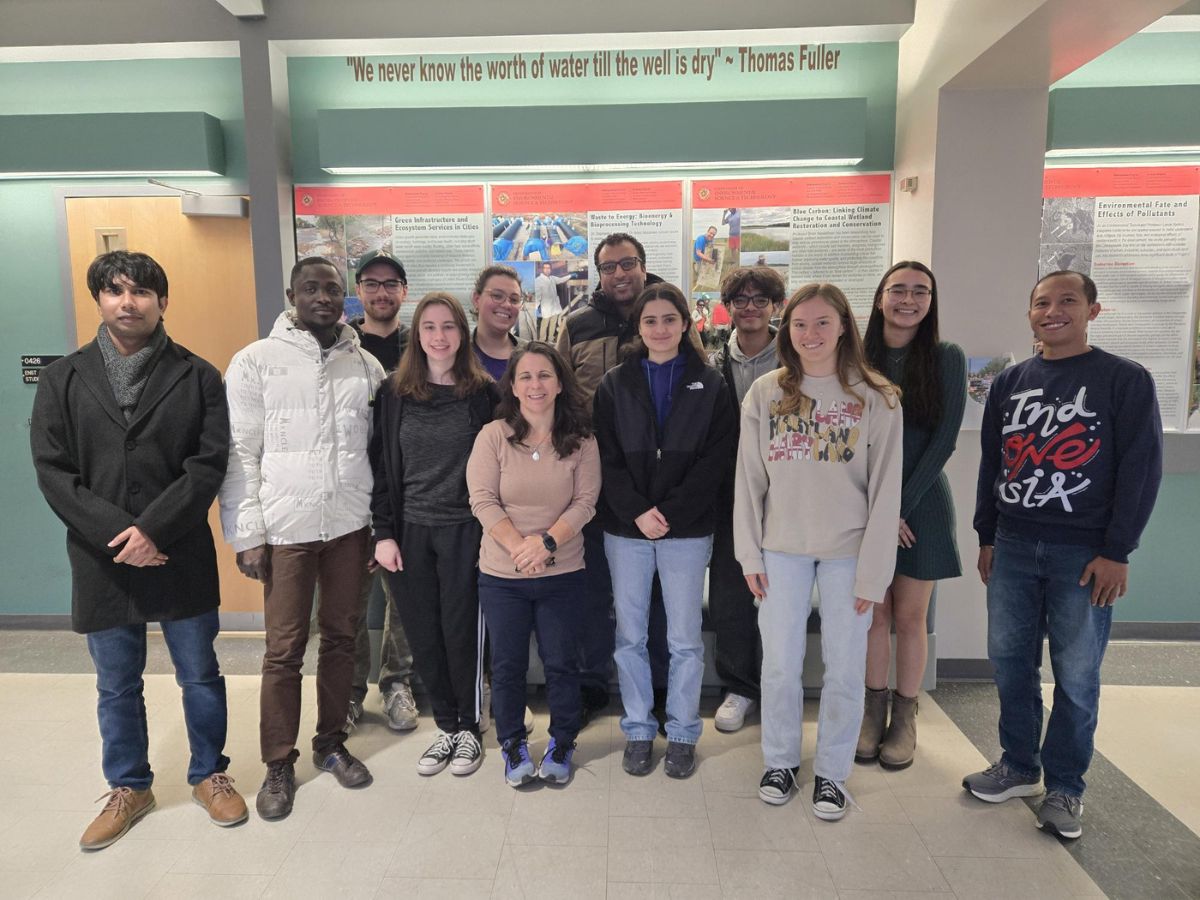
The Bioenergy and Biotechnology Lab Team
The Bioenergy and Biotechnology Lab Team
Faculty

Postdoctoral Associates
Dr. Anga Hackula
Contact: ahackula@umd.edu

Dr. Eid Gul
Dr. Eid Gul is a Postdoctoral Researcher at the Bioenergy Lab, University of Maryland, College Park. His research focuses on integrating artificial intelligence, Energy systems, Life cycle assessment, and techno-economic analysis to model sustainable energy and food systems. He currently leads Objective 3 of NSF-funded NourishNet project, developing AI-driven decision-support frameworks to optimize greenhouse gas reduction and resource recovery across U.S. food systems. His broader interests include AI for energy systems, carbon mitigation strategies, and the digital transformation of sustainability research.
Contact: egul@umd.edu
Graduate Students
Maureen Nabulime
PhD Candidate
Anaerobic Digestion of Municipal Solid Waste
Contact: mnabulim@umd.edu

Fahmi Dwilaksono
PhD Student
Anaerobic Co-digestion of Poultry Litter and Perennial Crops (Switchgrass and Miscanthus)
Contact: fahmidwi@umd.edu
LinkedIn: https://www.linkedin.com/in/fahmi-dwilaksono-72373a86/
.jpg)
Rafian Aziz
MS Student
Animal Waste Technologies
Contact: rafian@umd.edu
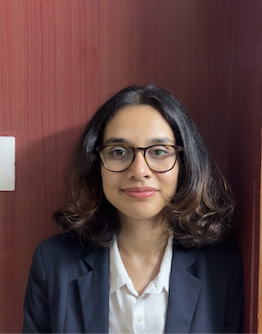
Radha Vagheswara Subramanian
Graduate Research Assistant
MS Applied Economics student assisting Nourishnet - NSF funded project headed by Dr Lansing.
Contact: radha@umd.edu
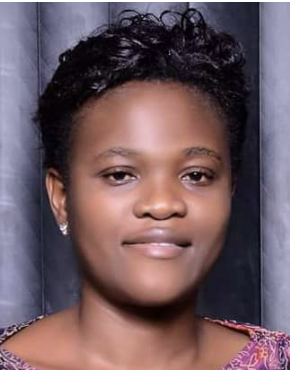
Bukola Temitope Fabunmi
MS Student
Bukola Temitope Fabunmi is a Microbiologist, currently a master's student in Environmental Health Science at the School of Public Health, University of Maryland, College Park. My thesis research uses qPCR to detect antimicrobial resistance genes and zoonotic pathogens in biodigester effluent from Nepalese subsistence farming households. Molecular surveillance of these resistance genes and zoonotic pathogens is needed to generate evidence for targeted interventions, improve waste management, and develop more effective stewardship strategies.
Lab rotation at the Bioenergy and Biotechnology Lab will provide hands-on experience with anaerobic digestion systems, strengthen my skills in environmental health, and deepen my understanding of how biodigesters can be optimized to reduce pathogen and resistance risks.
Contact: btemioo@umd.edu
Undergraduate Researchers
Sofia Tellez-Fenner
Bioenergy and Volatile Fatty Acids Production from Farm Waste, Food Waste, and Municipal Solid Waste
Adaline Ruff
Bioenergy and Volatile Fatty Acids Production from Farm Waste, Food Waste, and Municipal Solid Waste
Abby LaPadula
Bioenergy and Volatile Fatty Acids Production from Farm Waste, Food Waste, and Municipal Solid Waste
Christopher Hernadez
Bioenergy Production from Municipal Solid Waste
High School Interns
Kadoh Bangu
Bioenergy and Volatile Fatty Acids Production from Farm Waste, Food Waste, and Municipal Solid Waste
Previous Team Members
| Name | Current Position |
|---|---|
| Naresh Kumar Amradi, PhD | Postdoctoral Associate, Massachusetts Institute of Technology |
| Danielle Delp, PhD | Postdoctoral Associate, Rutgers University |
| Jenna Schueler, MS | Water Quality Research Assistant, Chesapeake Bay Foundation |
| Andrew Moss, MS | VP of Research & Development, Chomp |
| Katherine Klavon, MS | Senior Project Engineer, Stantec |
| Abhinav Choudhury, PhD | Environmental Research Engineer, Freshwater Institute, The Conservation Fund |
| Freddy Witarsa, PhD | Assistant Professor, Colorado Mesa University |
| Ashley Belle, PhD | Great Lakes Areas of Concern Specialist, University of Illinois Extension |
| Andrea Yarberry, PhD | Organic Chemical Metrology Group, NIST |
| Ahmed Abdellah | University of Pennsylvania Undergraduate Student |
| Emily Keller | |
| Emily McCoy, MS | Natural Resource Planner, Maryland Department of the Environment |
| Adanyro Atilago, MS | International Institute for Water and Environmental Engineering PhD Student |
| Calder Baldwin-Bott |

